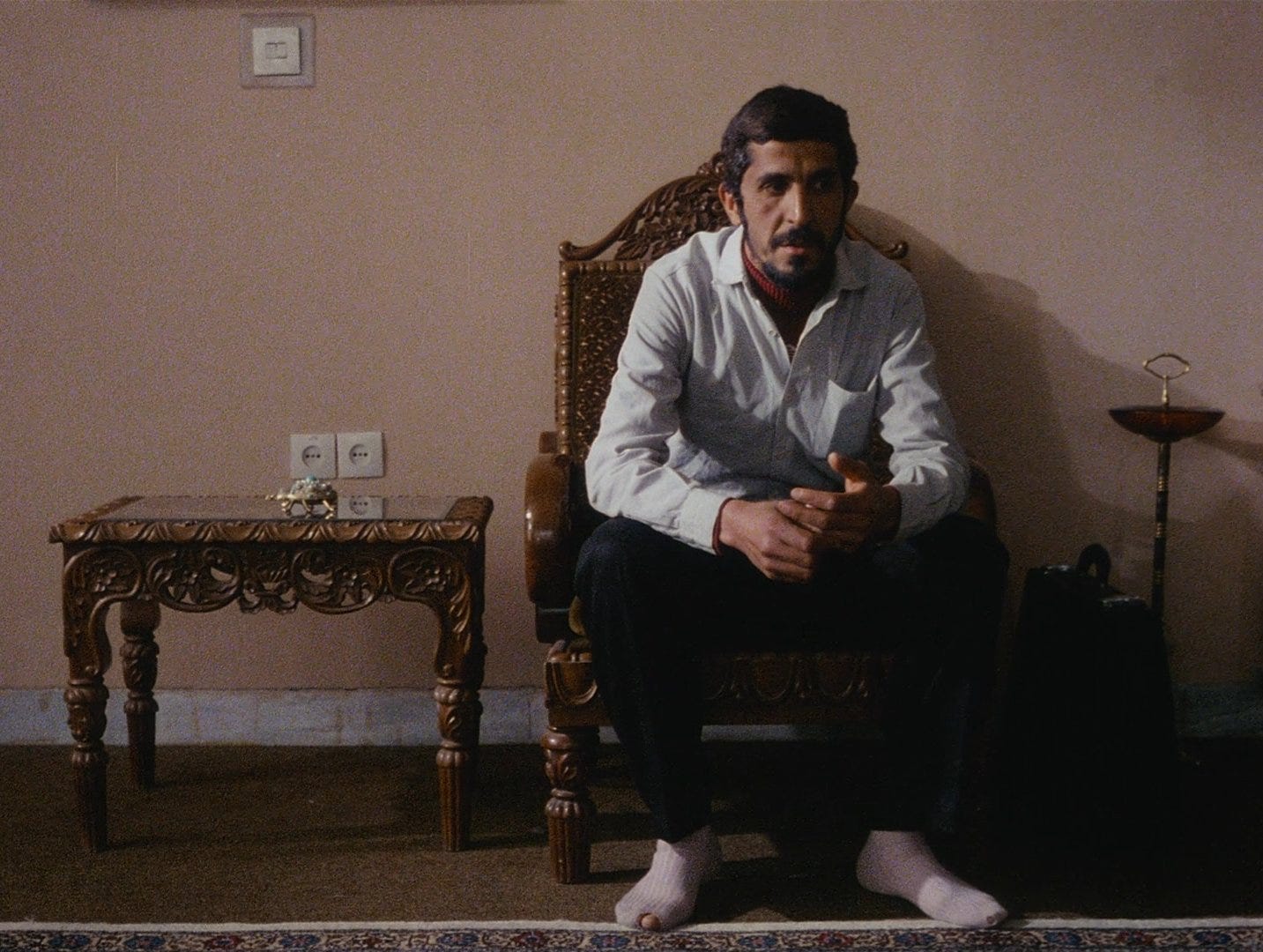
Close-Up (1990)
The brilliance of Close-Up (1990), directed by Abbas Kiarostami.

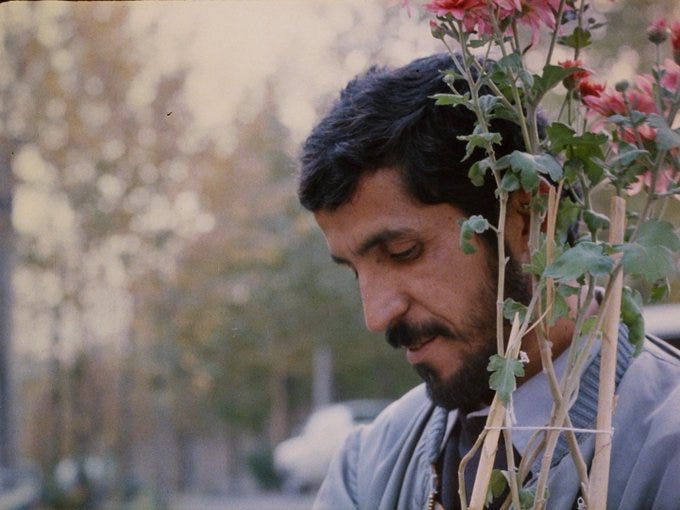
Close-Up (1990), directed by Abbas Kiarostami, is a brilliant piece of art, one of my favorite films I have ever seen. Funny enough, despite it being one of my favorite films ever, I’m not sure that it is my favorite Kiarostami film, as Taste of Cherry (1997) is very high on my list as well. In Close-Up (1990), Abbas Kiarostami delivers one of the most unique films I have ever seen. Blurring the lines between fiction and reality and actors and real people, this film tells a lot about what art really is and how we see art. Kiarostami uses actual footage from a courtroom and reenacts real events using the actual people to play themselves. This adds an authenticity that cannot be seen very much in other films, and at least not to the extent it is here. There are so many memorable and notable lines in this film that I do not even know where to start, and this film covers so many different angles and perspectives. Whether it is class issues, film as an art form, the blurred lines between fiction and reality, or many more aspects, Kiarostami crafts one of the best films in Close-Up (1990).
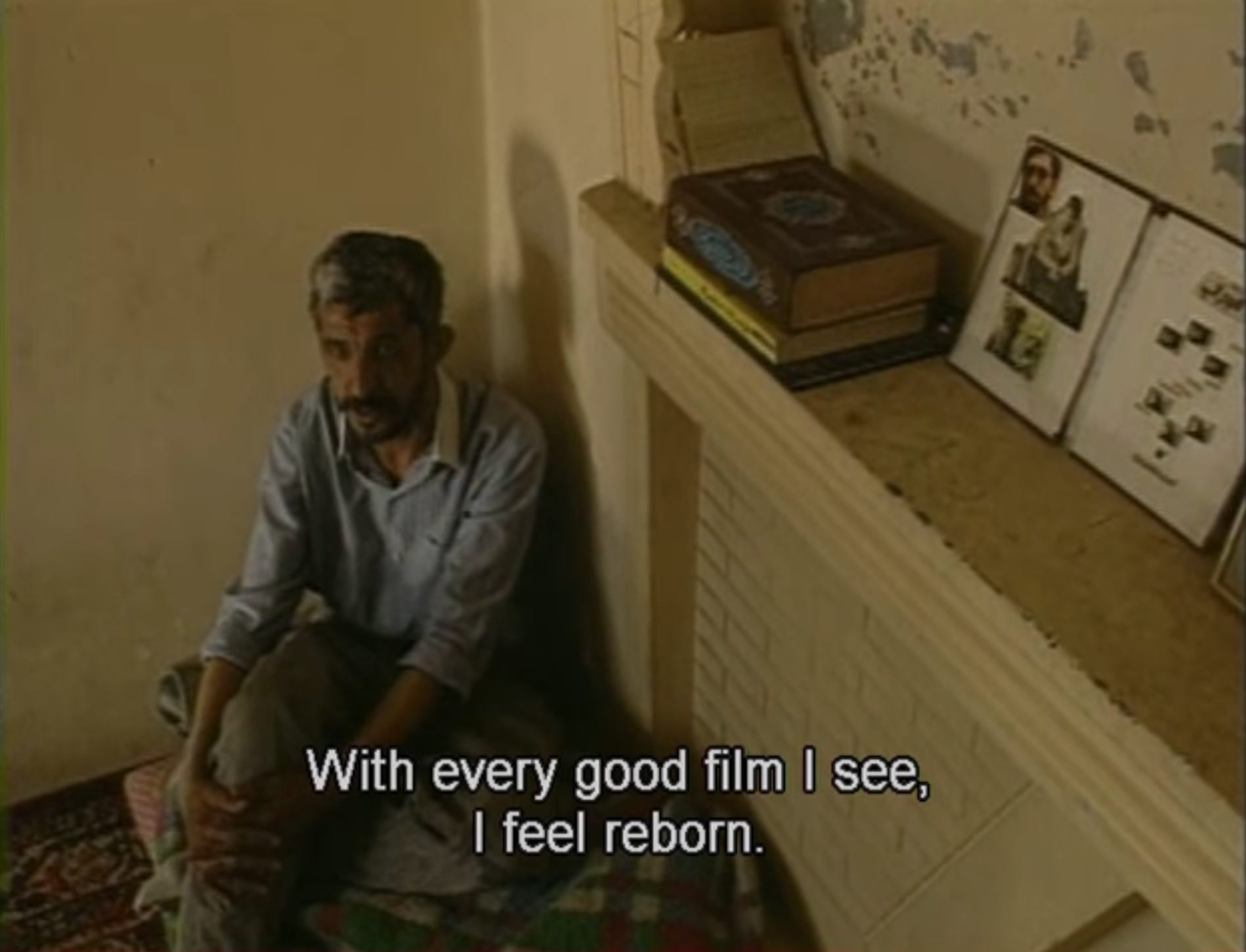
Hossein Sabzian, the main character of this film, is a cinephile who is caught impersonating his favorite director. Although from the outside this would look like a case of fraud, the situation is much more complex than this. Sabzian plays himself in this film and the whole story is a reenactment of something that actually happened. You would not be able to tell that several of the scenes in this film are not even acting but they are actual footage that Kiarostami was able to record. This includes the main courtroom scene, in which Sabzian explains his side and his mindset in the whole situation. The line between the actual footage and the scenes that they reenacted is blurred so well that I was not even able to tell which is which until I looked it up after the film. This is a testament to how well Kiarostami accomplishes one of his main goals in creating this film: to show how real cinema is. Cinema can be seen differently by each individual person as well as differently by the same person depending on where they are in their life. It is a mirror that reflects back on who we are. Sabzian explains the truth of cinema best, in one of the courtroom scenes:
“Whenever I feel depressed or overwhelmed, I feel the urge to shout to the world the anguish of my soul, the torments I’ve experienced, all my sorrows — but no one wants to hear them. Then a good man comes along who portrays all my suffering in his films, and I can go see them over and over again. They show the evil faces of those who play with the lives of others, the rich who pay no attention to the simple material needs of the poor. That’s why I felt compelled to take solace in that screenplay. I read it and it brings calm to my heart. It says the things I wish I could express.”
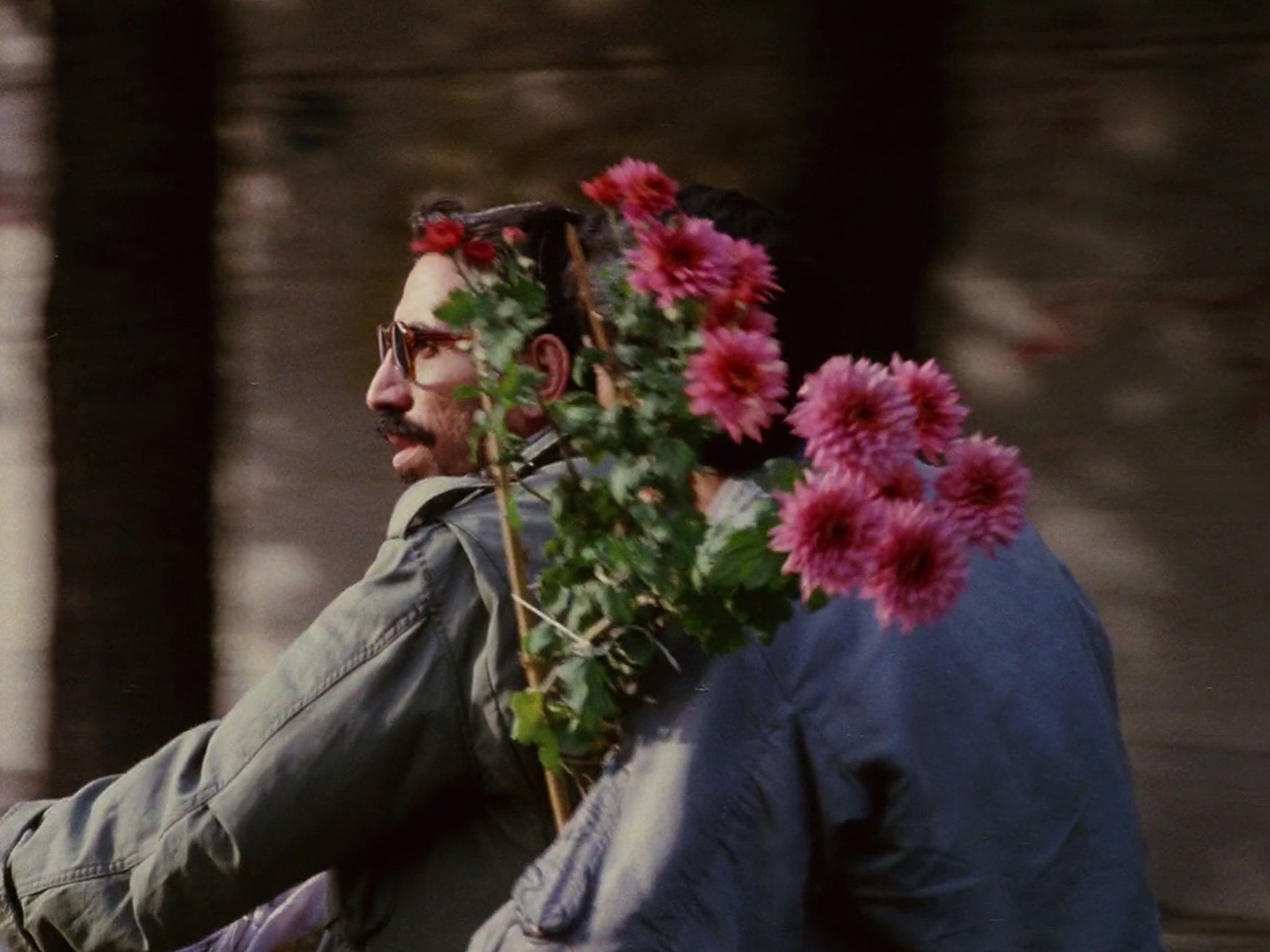
Sabzian impersonates director Mohsen Makhmalbaf, known for A Moment of Innocence (1996) among other films. Makhmalbaf plays himself in this film towards the end, when he picks up Sabzian when he is let out of jail. The footage used of Sabzian and Makhmalbaf is actual footage and their interaction is genuine. This is one of my favorite scenes of all time. A cinephile meeting his favorite director, who played such a huge role in his life, and riding off with him after picking up some flowers on the roadside. Kiarostami is also seen in this film when he talks to Sabzian at the courthouse about his situation. He tells him he is making a film and Sabzian agrees to let him use the footage. Kiarostami is able to embed himself in this film seamlessly, the same way he blends real footage with the enacted scenes.
In the scene where Sabzian is in court, he explains his whole situation. Here, it can be seen that he is a member of the working class and a divorced father of 2, with 1 child in his custody. A major reason for his impersonation of Makhmalbaf was so that he could live out his dream as a director. Part of why this was so essential was that he was able to get money from the family he was tricking. This plays into the question of what role does class play in making art. It usually takes a vast amount of funds to make a film and this is something Sabzian is unable to do in his current state. However, money isn’t the only thing that derails lower-class people from making art. Time and the ability can as well. For people who need to work long hours to put food on the table for themselves and their families, making art is the last thing on their mind. Sabzian talks about the financial problems he faces and it is evident that films are his one distraction from all the hardships he faces in life. They live on forever and he can see himself in films when it feels like the whole world is against him.
The most important thing for Sabzian is making art and that is all really all he wanted to do. He did not have any malice intent in tricking the family and them agreeing to let him go confirms that they thought this as well. This film’s commentary on life, film, art, truth, class, and everything else all weave together flawlessly. What is created is a dialogue-driven masterpiece showing the truth about humanity. While at surface level, Sabzian may be seen as a thief or con artist, it is a lot more nuanced than that. Sabzian just wants to contribute art of his own and he is willing to do whatever it takes to do that.
-“What part would you like to play?”
-“My own.”